
How Construction SMEs Can Turn Social Media Into a Growth Engine
- John Wright
- 5 days ago
- 4 min read

If you run a small or medium‑sized construction business, you no doubt already know that word‑of‑mouth is powerful. And social media is where much of that word‑of‑mouth now happens.
Platforms like Facebook, Instagram and TikTok aren’t a replacement for traditional referrals, but they have become a core part of how customers discover, research and choose local construction businesses. When you treat them as an extension of your reputation, working alongside offline recommendations, they become a natural part of your lead generation strategy.
Social media’s real job: growth, not just visibility
Many construction firms still see social media as something they do when they have time. But social media now sits alongside a website and Google presence as a primary driver of awareness, enquiries and revenue. When you treat social media strategically, it can:
Lower customer acquisition costs by using organic content and engagement instead of relying on paid ads or paying lead generation companies.
Build loyalty and repeat work by keeping your brand front‑of‑mind with past clients and potential new customers.
Act as a customer service and sales channel, with DMs replacing phone calls for a growing portion of your audience.
For construction businesses that often operate on feast‑or‑famine lead cycles, that combination is huge. Consistent, well‑planned social activity helps smooth out the peaks and troughs.
Why consistency beats posting “whenever”
One of the key findings from Sprout Social’s 2026 content strategy report is that brands are posting less but seeing higher engagement because they focus on quality and alignment with business goals, not sheer volume. For a roofing contractor, builder or specialist trade, that means:
Stop trying to be everywhere, every day.
Start showing up consistently on one or two core platforms with content that answers real customer questions, showcases real projects and reflects your values.
At RBC Marketing, we usually recommend construction SMEs focus on:
Facebook: still the most widely used platform across generations and very strong for local community presence and groups.
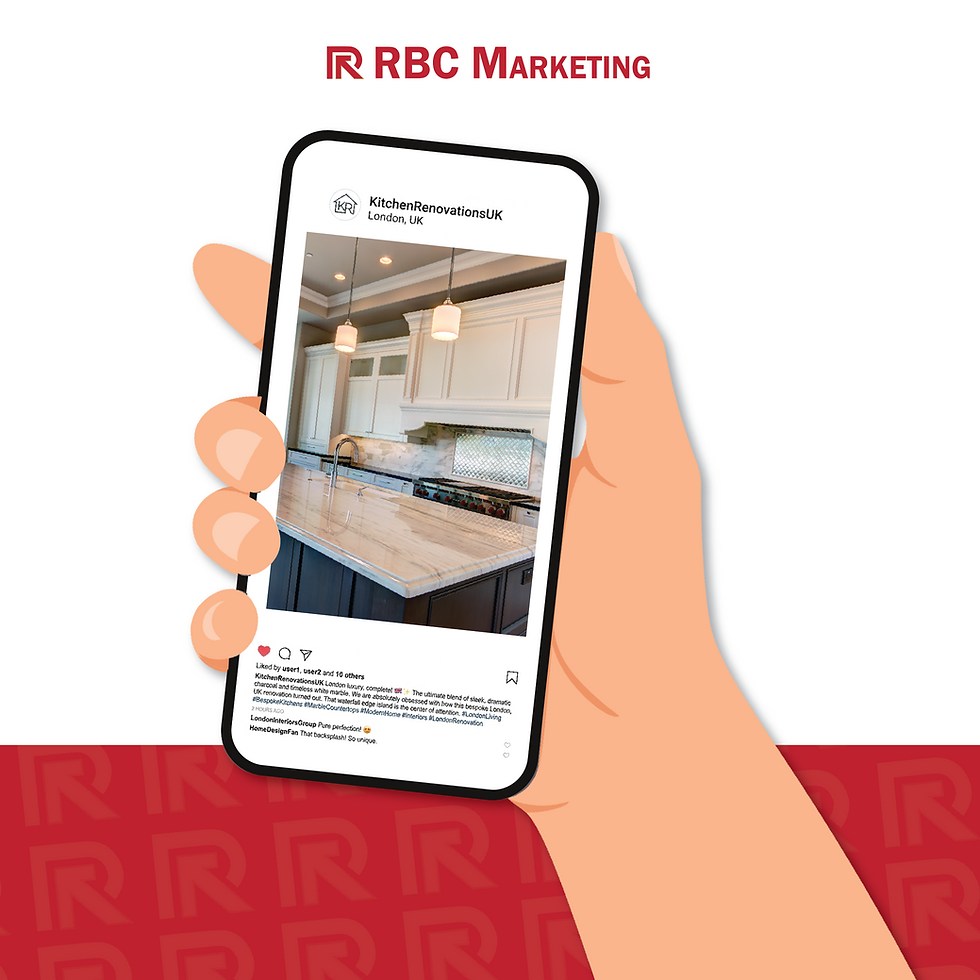
Instagram: great for visual storytelling, before‑and‑after shots, site updates, design inspiration and team culture.
Once the basics are in place and working, some businesses layer in YouTube and/or TikTok for short, educational “how it’s done” or “things to check before you hire a contractor” style content.
Turning everyday work into high‑impact content
The Sprout Social article highlights that the most effective small business content in 2026 is entertaining, educational, authentic or emotionally resonant. Construction companies are perfectly placed to tap into this, because your day‑to‑day work is inherently visual and practical. Examples:
Short site‑update videos: a 20–40 second reel showing progress from day one to completed roof or extension, with a simple voiceover explaining what’s happening.
“Before you hire” tips: carousels or short videos that walk homeowners through what to look for in quotes, warranties, and accreditations.
Behind‑the‑scenes and team stories: spotlighting your team to humanise the brand and build trust.
This sort of content helps to build confidence, position you as an expert, and keep you top‑of‑mind when someone finally decides that it’s time to sort that roof or get the extension built.
DMs: the new phone call
One of the biggest shifts highlighted in the research is the rise of DMs as a primary customer service and sales channel, and it’s something we’ve also noticed.
Many customers now prefer messaging a business on Facebook or Instagram over calling or emailing. And they expect a response within 24 hours, so if you ignore DMs or only check them occasionally you risk missing hot enquiries as prospects move on to a competitor who responds quickly to their enquiry.
This is where efficient social management really matters. Tools like Sprout Social, Metricool, or other centralised platforms allow you to bring all your comments and messages into one inbox, set response workflows, and stop leads slipping through the cracks. RBC Marketing can help you design a simple, repeatable process so your team knows who responds, how fast, and what information to gather.
Community, not just content: why Facebook is still vital
Community is important for small business growth, and Facebook is still one of the best places to build that community. For construction SMEs, this goes beyond posting on your page.
Get active in local community groups and homeowner forums, offering helpful advice rather than just promotions.
Share case studies and project walkthroughs in relevant groups with clear “before and after” stories and transparent explanations.
Use Facebook events for open days, Q&A sessions, or live streams about common issues like damp, insulation or roof maintenance.
Done well, this helps build trust long before someone needs to request a quote and positions your brand as the “go‑to” expert in your area.
Measuring what matters: from likes to leads
Sprout Social’s research is clear. In 2026, social media is “fighting for accountability,” not relevance. Small businesses that win are the ones that can show how content connects to actual sales and revenue. For construction SMEs, that means:
Tracking website visits, quote requests and calls that originate from social platforms, not just counting likes.
Using trackable links and clear calls‑to‑action so you can see which posts are driving enquiries.
Regularly reviewing which content performs best and adjusting your strategy, instead of posting the same type of updates out of habit.
This is exactly the kind of measurement mindset we build into our client campaigns at RBC Marketing - connecting your social stats to your CRM, pipeline and real‑world work.
How RBC Marketing helps construction businesses make social work
With over 40 years’ experience in construction industry sales and marketing, the team at RBC Marketing understands how your customers think and where they spend time online.
If you’re ready to move beyond ad‑hoc posting and start using social media more deliberately as part of your lead generation, get in touch to discuss a plan that fits your capacity, budget and growth targets.
About the Author
John Wright started his career in the construction industry at Kennedy Builders Merchants in the 1980s. This marked the beginning of a 35-year journey in sales, marketing, and business development in construction.
In 2016, John transitioned into digital marketing as an it’seeze web design franchisee, before founding RBC Marketing in 2022. Today, he uses his strong knowledge of the construction industry along with marketing skills. He helps construction companies create a strong online presence. He also drives business growth through both digital and traditional marketing strategies.


Comments